DJI Agras T50 Review: The Production Drone, and What It Really Costs
Type: Dealer-tier production spraying drone
Tank: 40 liter class (spray), 50 kg payload class
Built for: All-day row-crop spraying
Sensing: Terrain following, obstacle sensing, RTK navigation
Price: Around $19,000 drone-only, $24,662 ready-to-fly
Support: Full DJI dealer network, training, US parts
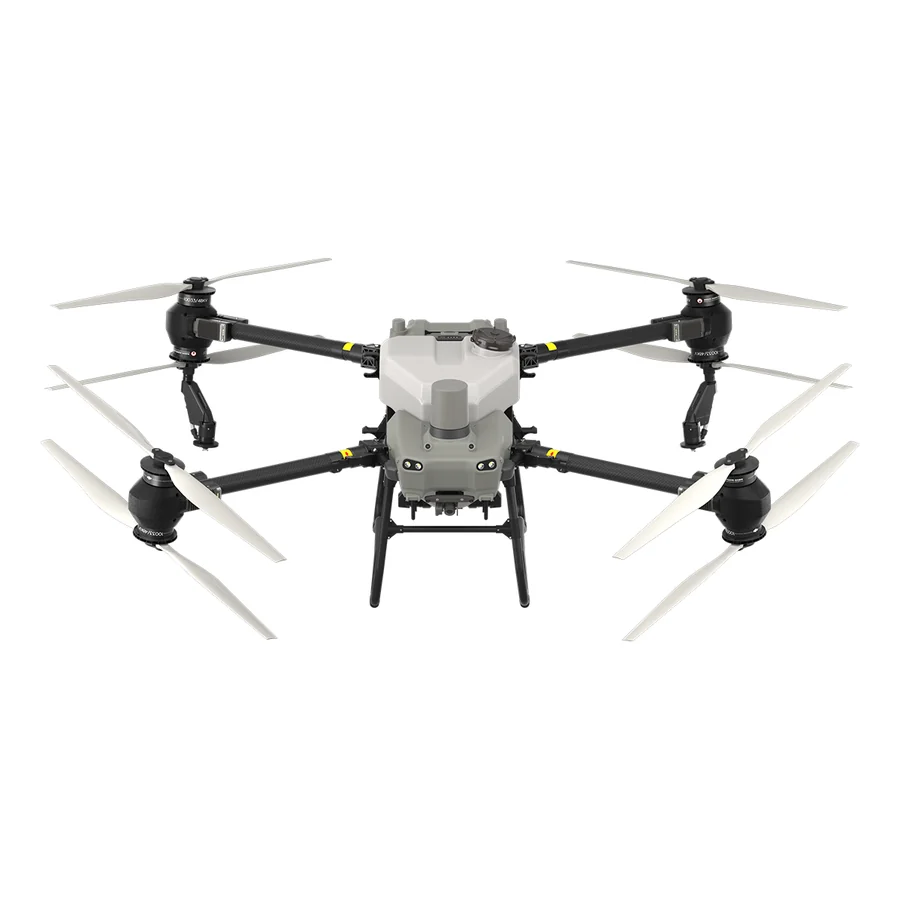
The T50 is the drone you actually see working real fields. When people picture agricultural drone spraying at production scale, this is the machine. We have not flown one, so this review weighs specs, dealer pricing, and market fit, which is where the honest guidance lives anyway.
What the T50 Is For
This is a workhorse, not a starter. A 40 liter class tank, higher flow, coaxial rotors to carry the payload, and the terrain-following and obstacle sensing that let it move fast without constant babysitting. If you are covering serious acreage on a deadline, or spraying other people's fields for money, the T50 is the mainstream answer and the one your hired help is most likely to already know. Compare it against the smaller entry machine in T25 vs T50.
The Price Reality, Stated Plainly
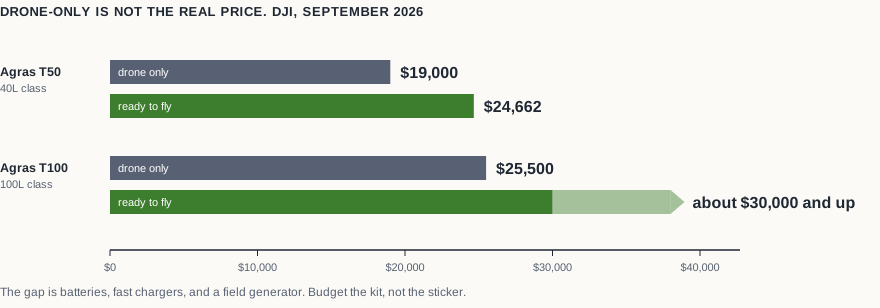
Drone-only pricing is around $19,000. Almost nobody flies drone-only. The ready-to-fly kit that adds the batteries, fast chargers and generator you need to spray all day pushes the real number to $24,662 at Drone Nerds today. That gap is not padding. It is the genuine cost of keeping a production drone in the air through a spray day, and batteries are a recurring expense on top, because they wear out under hard daily cycling. Budget for the kit and the battery replacements from the start. See parts and batteries.
The Regulatory Weight Class
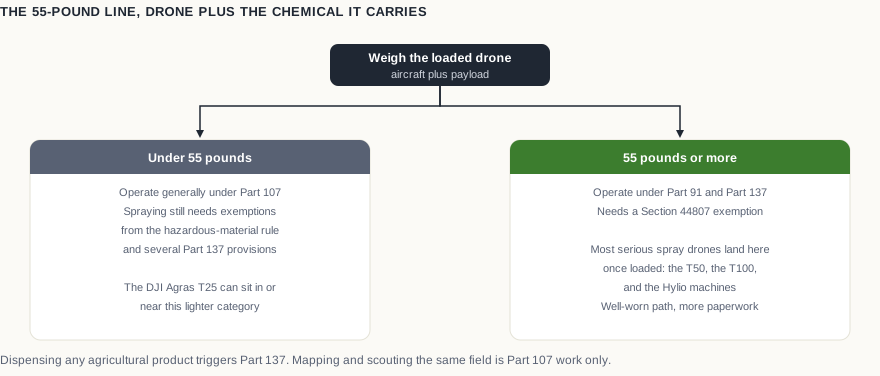
Loaded, the T50 is firmly over the 55 pound line, so you are in the heavier FAA category that needs a Section 44807 exemption in addition to your Part 107 and Part 137 certificates. The upside is that as a major DJI model it is on the approved agricultural UAS path, which makes the exemption process more routine than it is for an unlisted import. Plan for the paperwork and the 120-day lead time. Read the licensing reality check.
Pros
- Built for all-day production spraying
- Mature ecosystem, big operator base, easy to hire trained help
- Strong terrain following and obstacle sensing
- On the approved-UAS path, which eases FAA exemptions
Cons
- Real cost is the ready-to-fly kit, not the drone-only price
- Recurring battery replacement is a genuine running cost
- Heavy, so full FAA exemption paperwork applies
- Chinese-made, an issue for NDAA-sensitive buyers
Verdict
The right drone if you are covering real acreage on a schedule and you have run the numbers. Buy the full ready-to-fly kit rather than the drone-only teaser, take the training, and budget for batteries as a running cost. If your acreage is smaller, the T25 saves you real money for the same ecosystem. If you need US-made and NDAA compliance, see DJI vs Hylio. And if you spray under roughly 1,000 acres a year, check whether owning beats hiring before you sign.