The Licensing Reality Check: What It Takes to Spray Legally With a Drone
Here is the part the drone listings do not put in the ad. Buying the drone is the easy step. Spraying chemical from it legally is a regulated aviation operation, and the paperwork is more involved than most first-time buyers expect. None of this should scare you off. Thousands of operators do it every season. But you should know the shape of it before you spend, because the drone you choose affects how hard this gets.
The Two Certificates You Need
To apply pesticides, fertilizer, or other agricultural products from a drone in the US, you are generally looking at two separate things from the FAA:
- A Part 107 Remote Pilot Certificate. This is the standard commercial drone license. You pass the Part 107 knowledge test and you are certified to fly drones commercially. This is the baseline, and it is the easy one.
- A Part 137 Agricultural Aircraft Operator Certificate. This is the one people forget. Part 137 governs the aerial application of agricultural products, and it applies to drones just as it applies to crop-dusting planes. Dispensing chemical is what triggers it. If you are only mapping or scouting your fields, that is Part 107 work and Part 137 does not apply. The moment you spray, it does.
The clean distinction: mapping, scouting, and monitoring your crops is Part 107 only. Dispensing any agricultural substance from the drone brings in Part 137. If your drone sprays, you are in agricultural aircraft operator territory.
The 55-Pound Line Changes Everything
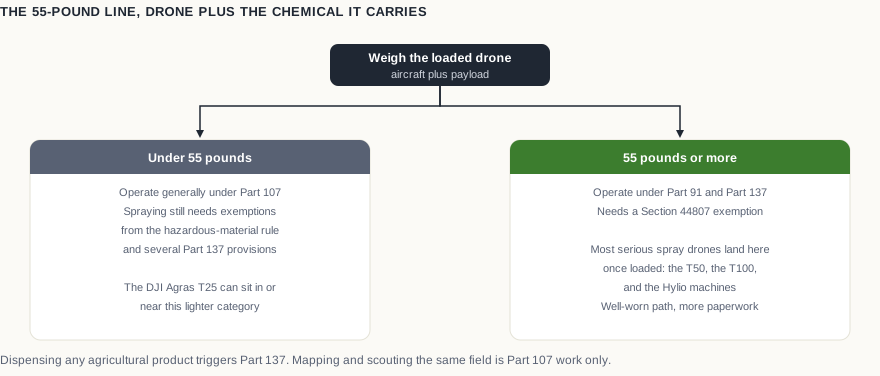
Weight is the fork in the road, and note that weight here means the drone plus the chemical it is carrying, not the empty aircraft. A loaded spray drone is heavy.
Under 55 pounds (drone plus payload)
You can generally operate under Part 107, but spraying still requires exemptions, because Part 107 was not written for dispensing hazardous material. In practice you need an exemption from the hazardous-material carriage rule and from several Part 137 provisions. Smaller drones like the DJI Agras T25 can sit in or near this lighter category, which is one of the quiet reasons the T25 is an easier first machine.
55 pounds or more (drone plus payload)
Now you are operating under Part 91 and Part 137, and you need an exemption under Section 44807 covering several parts of the regulations. Most serious spray drones, once loaded, land here. The T50, the T100, and the Hylio machines are all in this heavier world. It is a well-worn path, but it is more paperwork.
Section 44807 Exemptions, Plainly
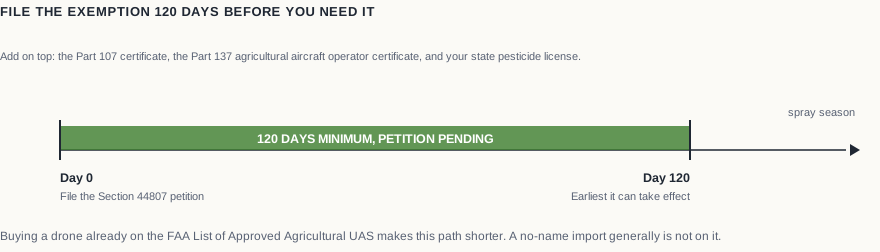
Section 44807 is the mechanism the FAA uses to let heavier drones operate outside the standard rules. A few things worth knowing as of 2026:
- Lead time matters. A petition for exemption generally needs to be filed at least 120 days before you need it to take effect. Spray season does not wait for paperwork, so start early.
- The approved aircraft list is real leverage. The FAA authorizes operations for drones on its List of Approved Agricultural UAS. Major dealer-tier models are on it. A no-name import generally is not, which makes the legal path harder. This is a concrete reason the dealer tier is easier to operate legally, not just easier to support.
- The process has been streamlining. The FAA has reduced some friction. As of early 2026, petitioners no longer have to complete aircraft registration before submitting, as long as registration has been submitted, and applicants no longer route documents through a local Flight Standards District Office. Details shift, so confirm the current process.
Do Not Forget the State and the Chemical
The FAA regulates the aircraft. It does not regulate the pesticide. That is a separate stack:
- Most states require a commercial or private pesticide applicator license to apply restricted-use products, and many treat aerial application as its own category.
- The pesticide label is the law. Some labels address or restrict aerial and drone application directly. Read it.
- Local rules, drift regulations, and buffer requirements can apply on top of everything above.
The Honest Takeaway
If you plan to spray yourself, budget time and money for a Part 107 certificate, a Part 137 agricultural aircraft operator certificate, the relevant FAA exemptions, and your state pesticide license, and factor the 120-day lead time into your season. Buying a drone that is already on the FAA approved list makes all of this easier, which is one more mark against the cheapest imports. If that stack sounds like more than you want to take on, that is a completely valid reason to hire a licensed applicator instead of buying. Many farms come out ahead doing exactly that.
This is a summary, not advice. Confirm current requirements directly with the FAA and your state department of agriculture before you fly.